Material Specifications
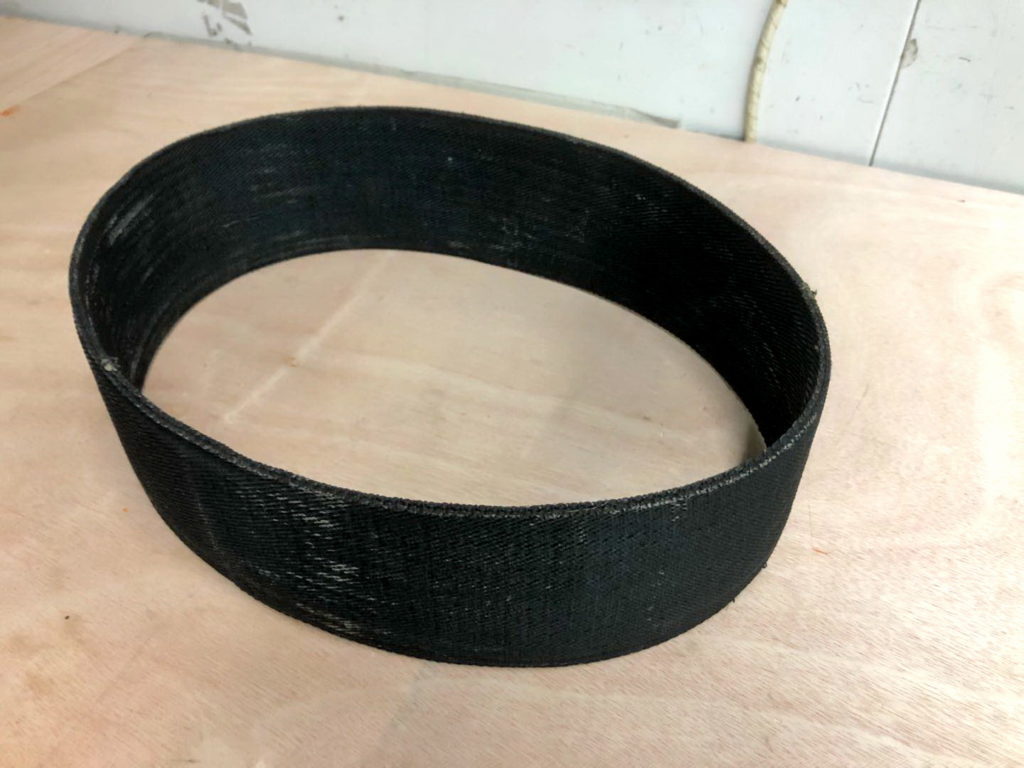
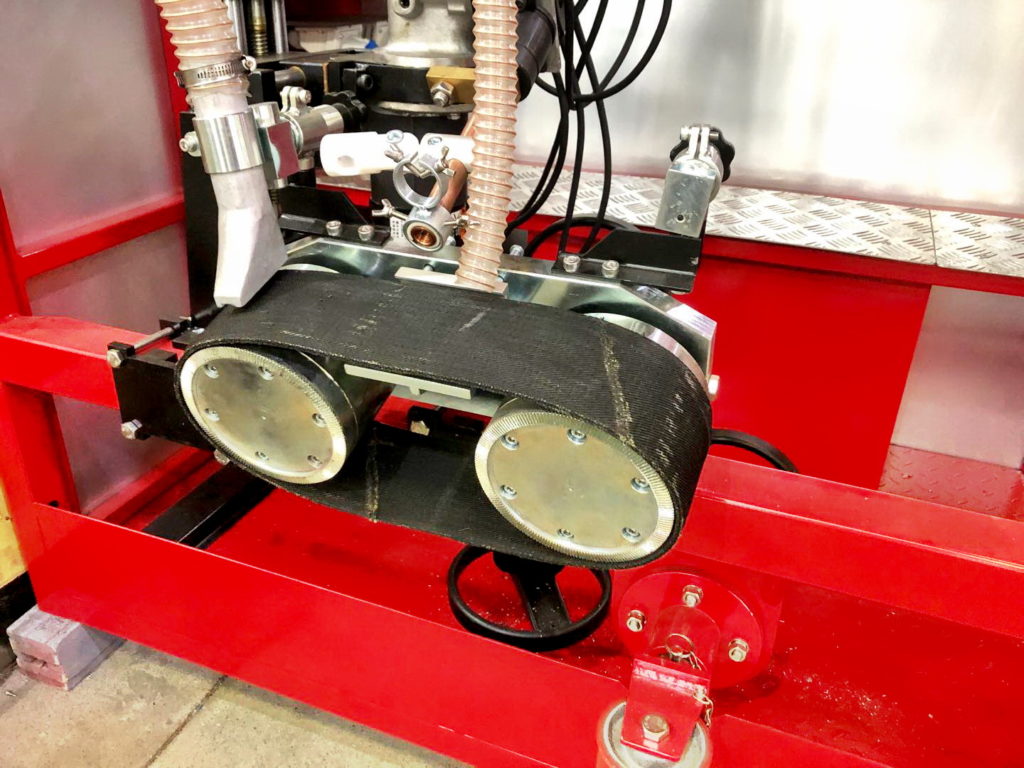
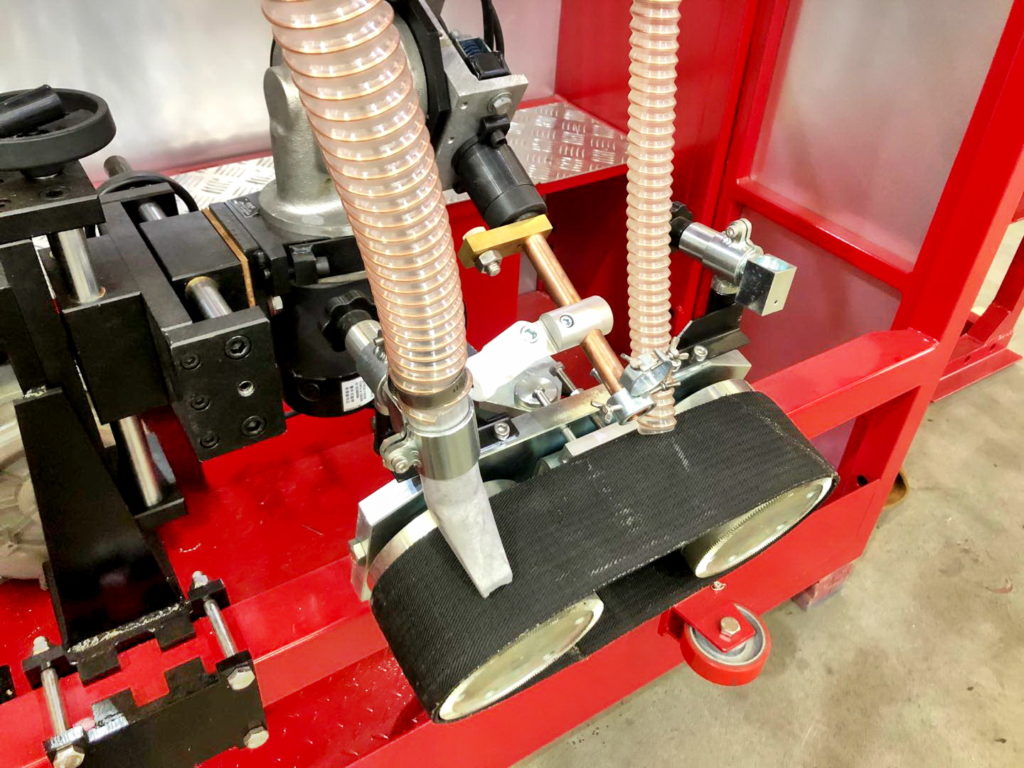
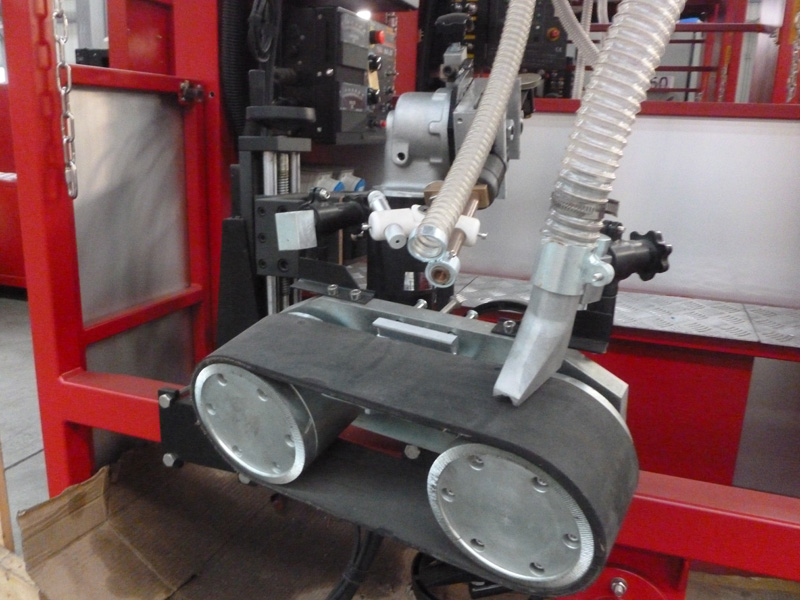
Engineered for horizontal Submerged Arc Welding, our primary tank welding flux belt consists of high-density USA-made Kevlar. This fabric withstands the extreme ambient temperatures generated during heavy wall tank fabrication.
- High-density Kevlar composition
- Heat-resistant preventing thermal degradation
- Reinforced hems enduring constant mechanical abrasion against raw steel
- High tensile strength resisting mechanical stretching under tension
AGW Integration
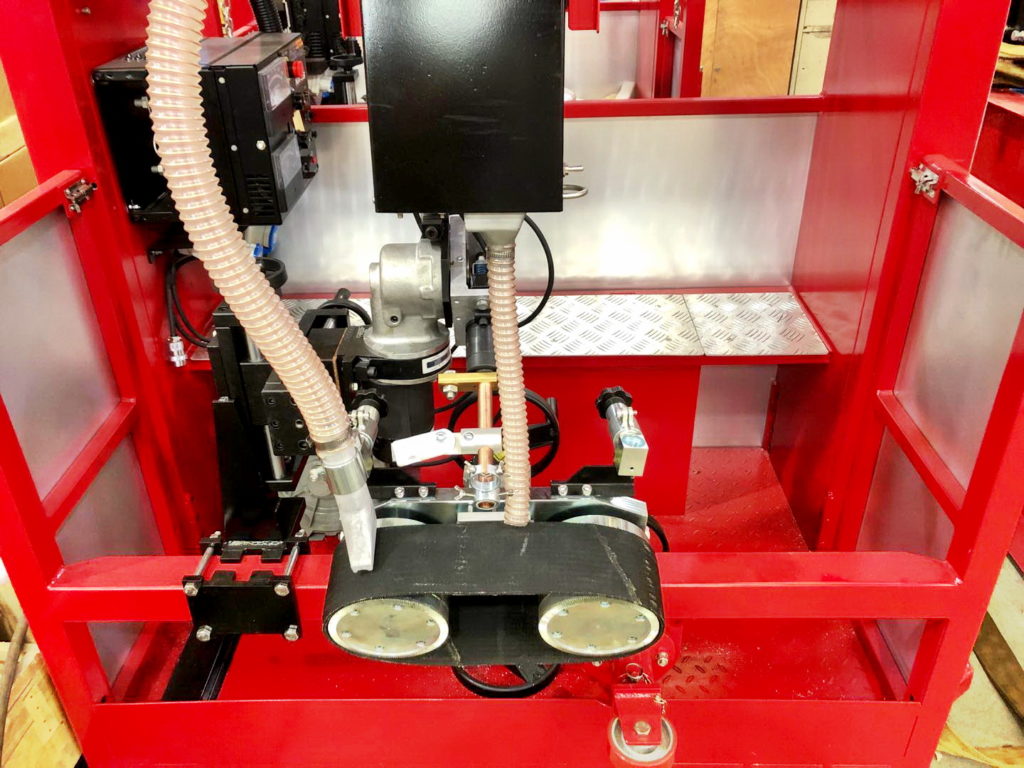
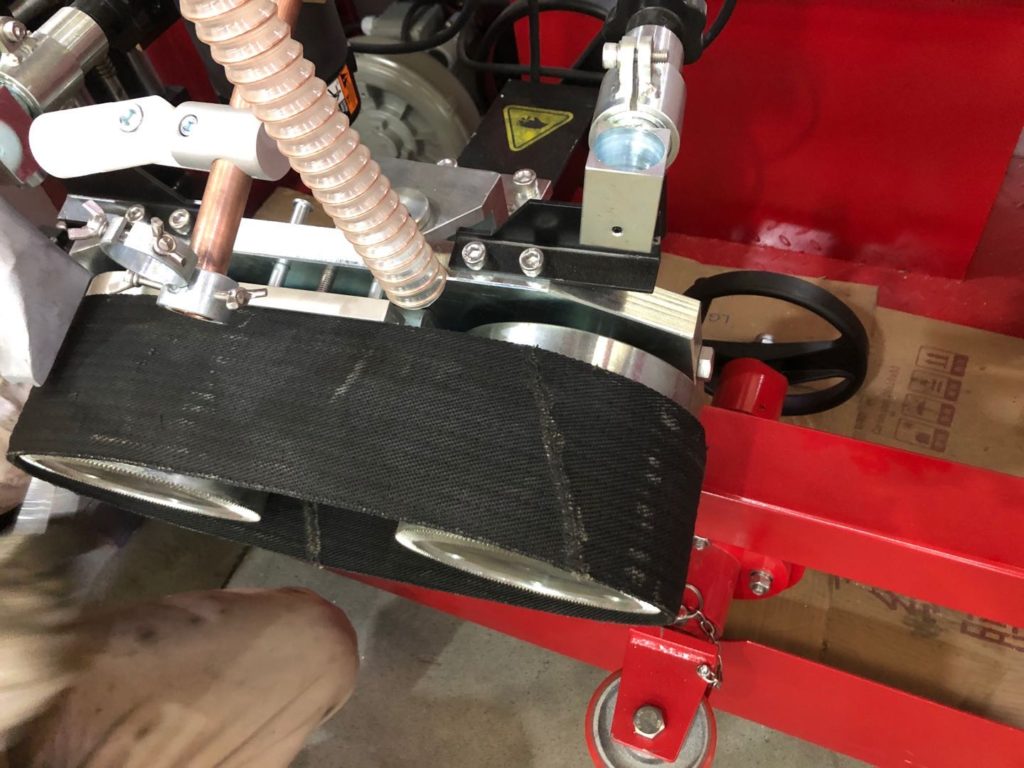
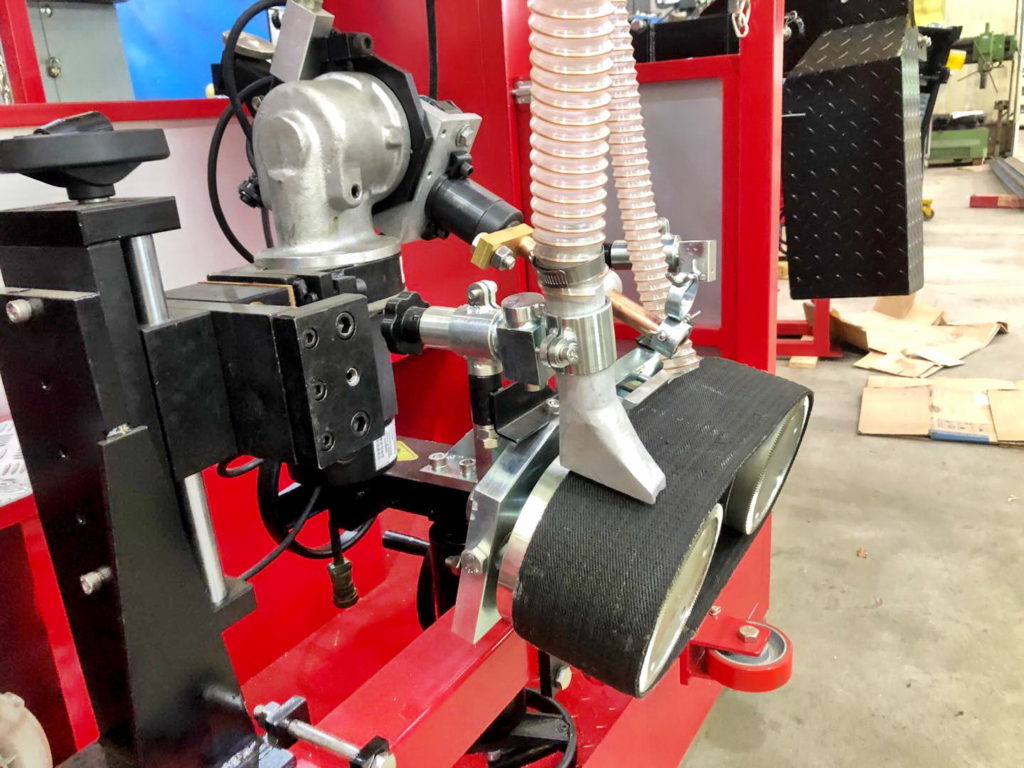
Proper flux containment dictates horizontal weld quality. An automatic girth welder flux belt secures the granular flux directly against the horizontal seam of an automatic girth welder.
Maintaining firm pressure against the shell plate ensures complete weld pool submersion. This precise containment prevents atmospheric contamination.
The flexible material easily conforms to various tank radii without buckling. Mechanical compatibility extends across standard equipment frames utilizing Lincoln or Miller SAW power sources.
Consumable Savings
Inefficient flux delivery mechanisms cause substantial material waste. Deploying a premium Kevlar belt minimizes granular flux spillage during automated travel. Recirculation systems operate efficiently when the fabric maintains a tight seal against the tank wall. Reducing consumable loss directly lowers total project expenditures.
Sizes and Ordering
Tank Welding LLC supplies standard lengths engineered to fit traditional AGW track profiles. Specialized tank construction projects often require modified equipment setups necessitating specific belt dimensions. Procurement managers can submit exact width and length requirements for made-to-order manufacturing.
We coordinate domestic fabrication and direct global shipping to align with your construction schedules.
Request A Quote
Contact our technical sales team to request pricing for standard inventory or submit specifications for custom Kevlar belt manufacturing.
USA made Kevlar flux belts standard lengths and made to order custom lengths and widths available.
Tank Welding LLC.
Is your complete source for Automatic Storage Tank Welding Machines. We specialize in custom built to order automatic tank welding machines for LNG & flat bottom tanks. We have multiple standard site proven Automatic Girth Welder designs (AGW) / 3 O’clock Welder designs. Single pass gas shielded EGW (Electrogas Welder), single pass self shielded VUP / vertical UP Welders & AVW / multiple pass Automatic Vert Welders, Automatic Vert Buggy, Shell Buggy, Tank Jacking Equipment and complete Tank Jacking systems, automatic curved plate welders for pressure vessel / sphere / digester welding. This line of equipment is built with your choice of USA made Lincoln or Miller welding systems. The AGW travel is powered by top of the line twin German engineered inverter controlled drive motors.
Explore all of our merchandise and contact us by phone or email. https://tankwelding.com/about-us/
Frequently Asked Questions
What maximum temperature can the Kevlar material withstand?
The Kevlar fabric supports sustained exposure to radiant heat generated by submerged arc welding. It resists thermal breakdown during continuous operations on heavy steel plates.
How do I determine the correct belt width for my machine?
Belt width depends strictly on your specific AGW model and the joint profile being welded. Measure the existing flux support carriage assembly to ensure proper coverage of the flux recovery zone.
Do custom-size orders impact shipping timelines?
Typical lead times for non-standard sizes range from 4 to 8 weeks before dispatch.
What fastening mechanisms secure the belt to the carriage?
The belts feature reinforced hems designed to fit standard carriage tensioners. This allows operators to adjust the pressure applied to the horizontal seam manually.
Can this belt be used with other welding machine brands?
The flexible design integrates readily with most standard automated welding systems utilizing a mechanical flux support mechanism.
What are the indicators that a flux belt requires replacement?
Belts should be replaced if you observe deep edge fraying that bypasses the reinforced hem, or structural tearing that allows granular flux to leak.
How should the belt be stored when not active on site?
Store the belts in a clean, dry environment away from direct moisture and sharp tools. While Kevlar resists high heat and operational abrasion, keeping it free from grease contamination between projects extends its working lifespan.
